

Founded in 1993 by brothers Tom and David Gardner, The Motley Fool helps millions of people attain financial freedom through our website, podcasts, books, newspaper column, radio show, and premium investing services.
Founded in 1993 by brothers Tom and David Gardner, The Motley Fool helps millions of people attain financial freedom through our website, podcasts, books, newspaper column, radio show, and premium investing services.
Motley Fool Issues Rare “All In” Buy Alert
You’re reading a free article with opinions that may differ from The Motley Fool’s Premium Investing Services. Become a Motley Fool member today to get instant access to our top analyst recommendations, in-depth research, investing resources, and more. Learn More
Energy stocks have finally come back down to earth. After a red-hot start to the year, oil and gas companies have seen their stock prices slashed as commodity prices (particularly natural gas prices in the U.S.) have fallen in recent weeks. Nevertheless, the energy sector has been the best-performing sector year to date, as the major market indexes remain mired in correction or bear market territory.
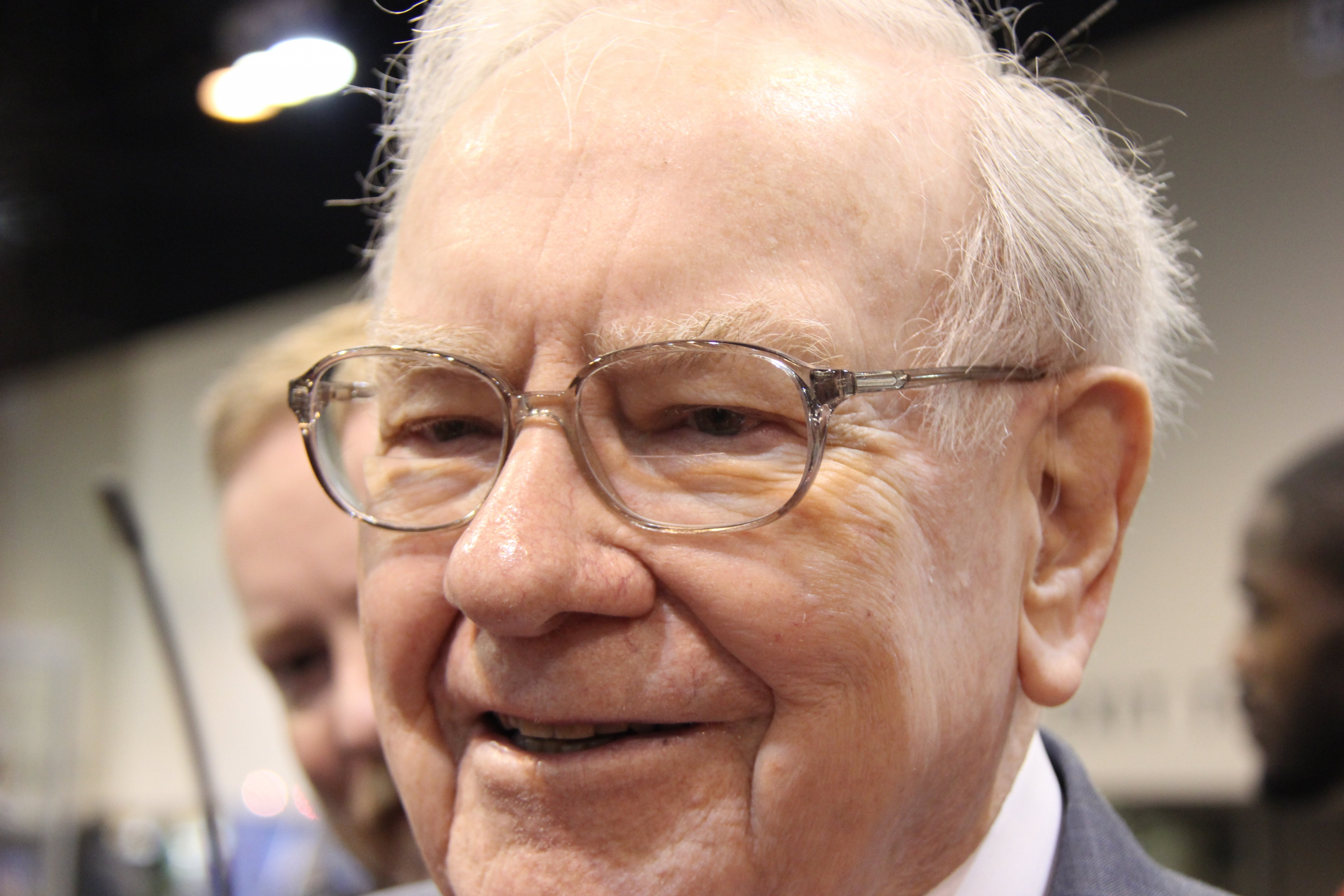
Warren Buffett is still bullish on energy and continues to increase his exposure to the sector. So let’s examine two of the legendary investor’s energy holdings — Occidental Petroleum (OXY -3.61%) and Chevron (CVX -1.83%) — to see which is the better investment.
Occidental has absolutely ripped higher in 2022. At its peak on May 26, the stock traded at $70.86 — a year-to-date return of 144% in less than five months. Since then, the stock is down about 10%. Yet, there’s no doubt that Buffett sees this pullback as a buying opportunity. His Berkshire Hathaway (BRK.A -0.35%) (BRK.B -0.44%) bought another 12 million Occidental shares last week, bringing Berkshire’s total position in the company to 175.4 million shares — 18.7% of its total shares.
OXY Price to Free Cash Flow data by YCharts
It’s no wonder that Buffett is eager to plow more money into Occidental shares. With oil prices over $100 per barrel, the company continues to generate a ton of free cash flow. In its most recent quarter, free cash flow per share surged to $10.26. In fact, Occidental is throwing off so much cash, its valuation (based on free cash flow) remains low, despite its recent run. Its current price-to-free-cash-flow ratio is 6 — well below its five-year average of 25.3.
It seems difficult to believe, but Occidental is cheap. No wonder Berkshire continues to pile into it.
What’s more, the company has introduced two key initiatives that will keep Mr. Buffett (and other shareholders) happy:
Occidental already bought back 9 million shares during the first quarter of 2022. While on the debt front, rating agency Fitch revised its outlook to positive, noting that Occidental has “reduced its pro forma debt by around $8.1 billion since the beginning of the year.” Occidental has now cut its net debt to around $24 billion, down more than 44% from its peak some three years ago.
Chevron hasn’t had the runaway success of Occidental, but it’s still had a good year. Shares are up 23% year to date. Yet, its shares are down 21% from their peak, compared with only 10% for Occidental. Chevron, as an oil and gas supermajor, has more exposure to downstream facilities, such as refining and retail — businesses that have come under criticism from the Biden administration.
After President Biden criticized the U.S. oil and gas industry last month regarding the high price of gasoline, Chevron Chief Executive Officer Mike Wirth sent a letter to the President rebutting claims that oil producers and refiners were to blame for the high price of gas. In his letter, Wirth offered suggestions to help increase supply and bring down prices. The war of words between Wirth and Biden has cooled since then, but the frosty relations between Washington and the oil & gas indsutry might give some investors pause. After all, some lawmakers have called for a windfall profits tax on oil and gas producers. Such a tax would, by design, erase much of the profits and free cash flow that oil companies have enjoyed in 2022. And even though a majority of Chevron’s production and sales lie outside of the U.S., a windfall profits tax could still be assessed on overseas profits. However, it’s worth noting that such a tax currently appears unlikely to pass through Congress. 
CVX Free Cash Flow Per Share data by YCharts
Meanwhile, Chevron’s financial prospects remain bright. It generated $176 billion in revenue over the past 12 months — the most since 2015. Free cash flow grew to $12.86 per share. The company raised its quarterly dividend to $1.42, and it announced a doubling of its share buyback program — saying it would repurchase up to $10 billion worth of its stock over the next year.
Chevron offers much, including a 4.03% dividend yield (compared with only 0.88% for Occidental). Yet, there’s no doubt that Buffett himself sees Occidental as the better value — at least right now. It’s more of a pure play on oil and gas production at a time when energy supplies remain tight and prices are high. With its focus on buying back shares and paying down debt, Occidental still looks laser-focused on delivering value to shareholders.
Jake Lerch has no position in any of the stocks mentioned. The Motley Fool has positions in and recommends Berkshire Hathaway (B shares). The Motley Fool recommends the following options: long January 2023 $200 calls on Berkshire Hathaway (B shares), short January 2023 $200 puts on Berkshire Hathaway (B shares), and short January 2023 $265 calls on Berkshire Hathaway (B shares). The Motley Fool has a disclosure policy.
*Average returns of all recommendations since inception. Cost basis and return based on previous market day close.
Market-beating stocks from our award-winning analyst team.
Calculated by average return of all stock recommendations since inception of the Stock Advisor service in February of 2002. Returns as of 07/12/2022.
Discounted offers are only available to new members. Stock Advisor list price is $199 per year.
Calculated by Time-Weighted Return since 2002. Volatility profiles based on trailing-three-year calculations of the standard deviation of service investment returns.
Invest better with The Motley Fool. Get stock recommendations, portfolio guidance, and more from The Motley Fool’s premium services.
Making the world smarter, happier, and richer.
Market data powered by Xignite.